
Bulk Cement Truck HiBlow: How It Works and Its Main Components
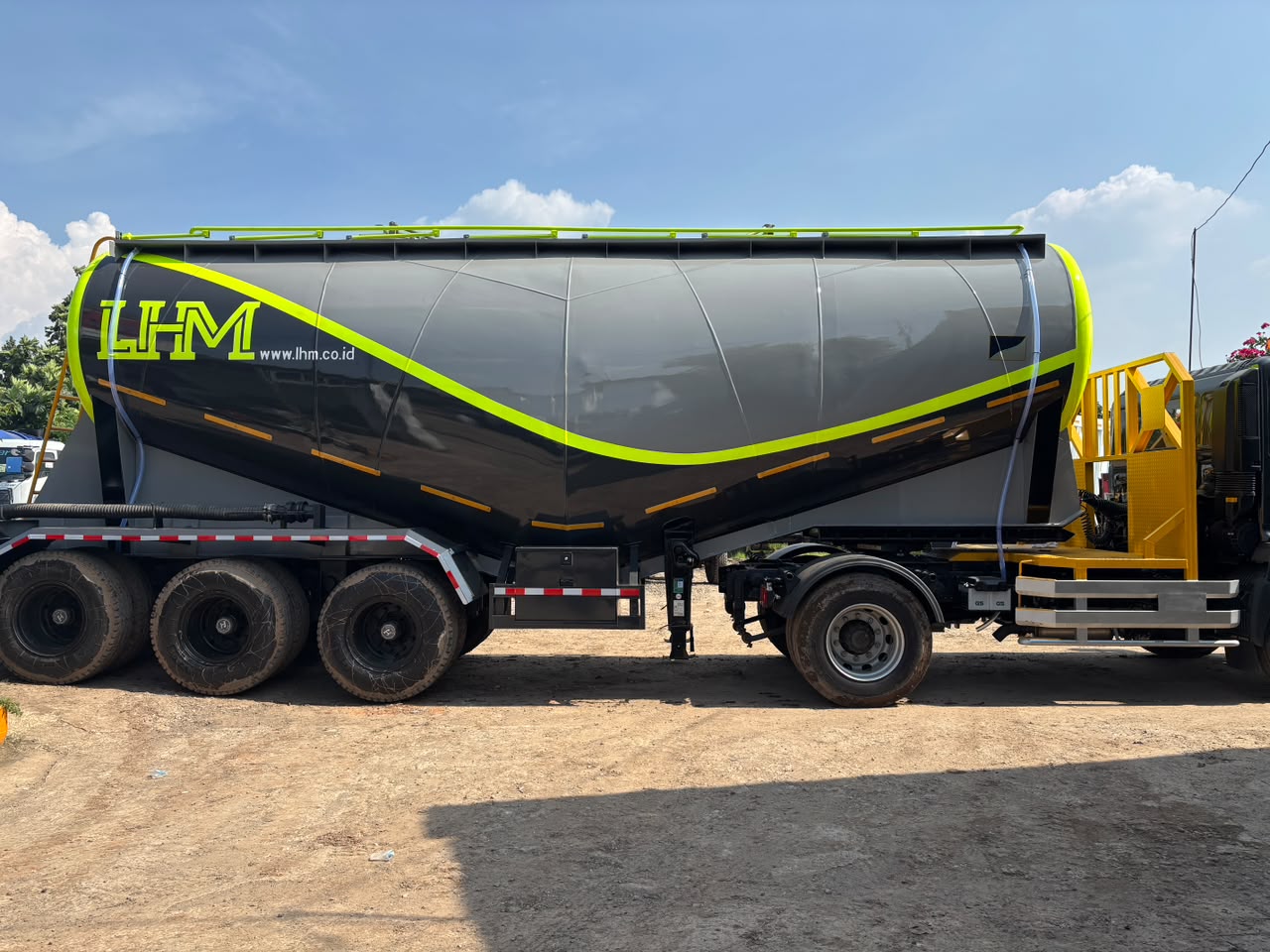
A Bulk Cement Truck or HiBlow Tank is a specialized vehicle designed to transport powder materials such as cement in a closed tank.
The vehicle uses a pneumatic system to support material discharge into a silo or receiving facility. Air is distributed through the system to help move cement toward the discharge outlet and then through a pipe or hose. These vehicles are commonly used in batching plants, concrete production facilities, and industries that require bulk cement transportation.
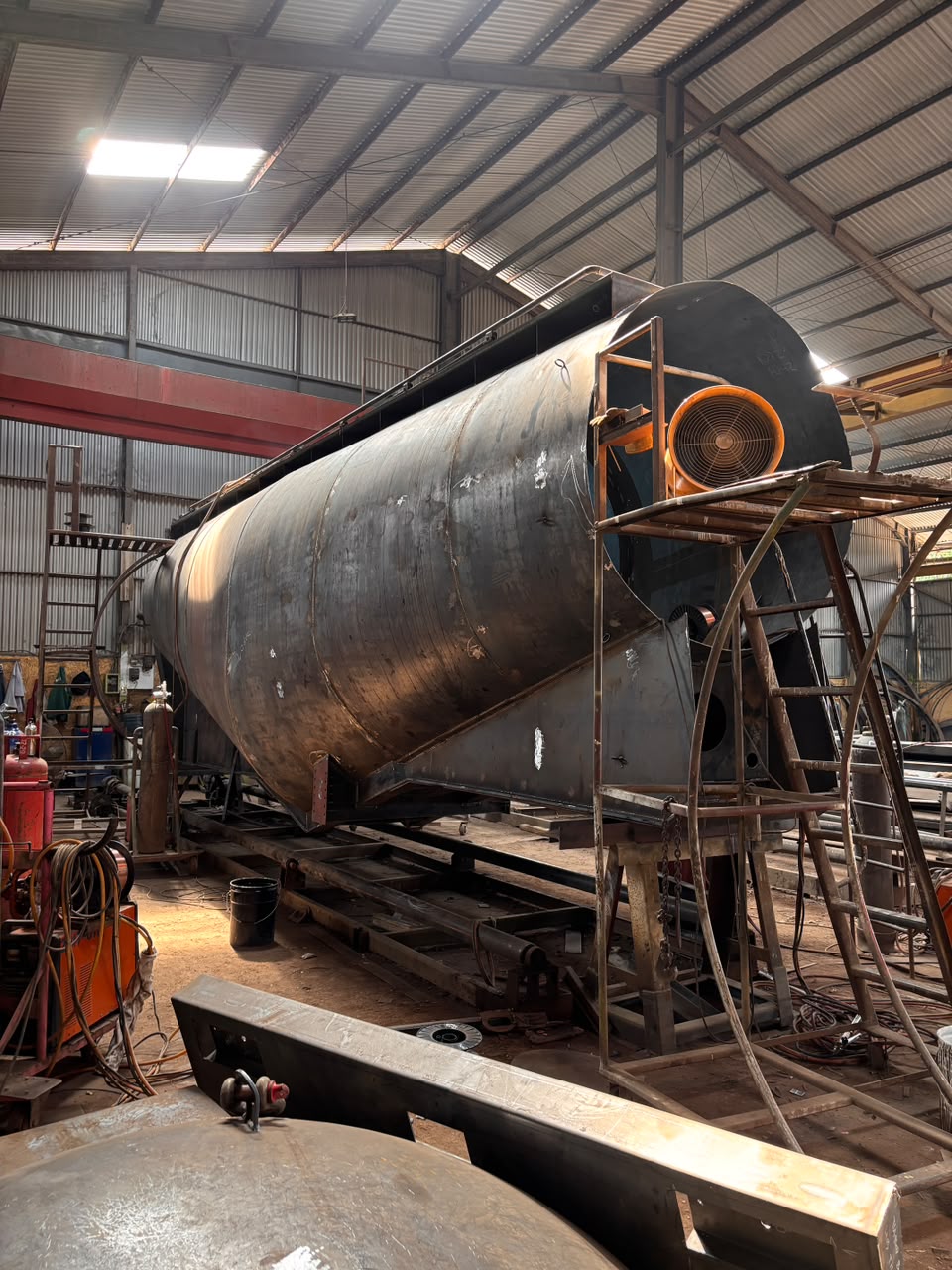
How Does a HiBlow Tank Work?
Bulk cement unloading generally involves several stages:
-
Cement loading: Bulk cement is loaded into the tank through the designated loading system.
-
Air supply: A compressor or blower supplies air to support unloading.
-
Material aeration: Air helps the material move and reduces resistance between particles.
-
Movement toward the outlet: The tank design and aeration system help direct cement toward the discharge outlet.
-
Transfer to the silo: Cement is conveyed through a hose or pipe into the receiving silo using a pneumatic system.
This process allows cement to be discharged without lifting or tipping the tank like a dump truck.
Main Components of a HiBlow Tank
Several components support bulk cement transportation and unloading:
-
Tank vessel: Stores and transports bulk cement.
-
Compressor or blower: Supplies air to support pneumatic operation.
-
Aeration pad: Supports material aeration.
-
Air distribution system: Distributes air to the required parts of the system.
-
Discharge valve: Controls material discharge from the tank.
-
Discharge hose and pipe: Transfers cement to the receiving silo.
-
Pressure gauge and safety devices: Support pressure monitoring and system safety.
These components work together according to the equipment configuration.
Factors That Affect Cement Unloading
Unloading performance may be influenced by several factors:
-
Material characteristics and condition.
-
Aeration system performance.
-
Compressor or blower capability.
-
Discharge line length and diameter.
-
Receiving silo elevation.
-
Hose, valve, and connection conditions.
-
Receiving silo venting system.
The vehicle and receiving facility should therefore be considered together when evaluating a bulk cement transfer system.
Operational Considerations
Operating a Bulk Cement Truck requires attention to pneumatic equipment and workplace safety.
Hoses, valves, connections, pressure gauges, and supporting components should be inspected according to the equipment manual and operating procedures.
The system must also be confirmed safe and depressurized before connections are opened or disconnected.
Conclusion
A Bulk Cement Truck or HiBlow Tank is a specialized vehicle that uses pneumatic systems to transport and transfer bulk cement into receiving silos. The system integrates a tank vessel, aeration, air supply equipment, valves, and discharge lines to support the unloading process.
Understanding how a HiBlow Tank works and its main components can help companies evaluate their bulk cement transportation requirements and consider equipment configurations suitable for their operations.
PT Sribaru Indah Sejahtera (PT SIS) specializes in vehicle body manufacturing, engineered transport equipment, fabrication, and steel construction for industrial applications.
Recent Posts