
How Hydraulic Dump Trucks Work: Main Components Explained PT SIS
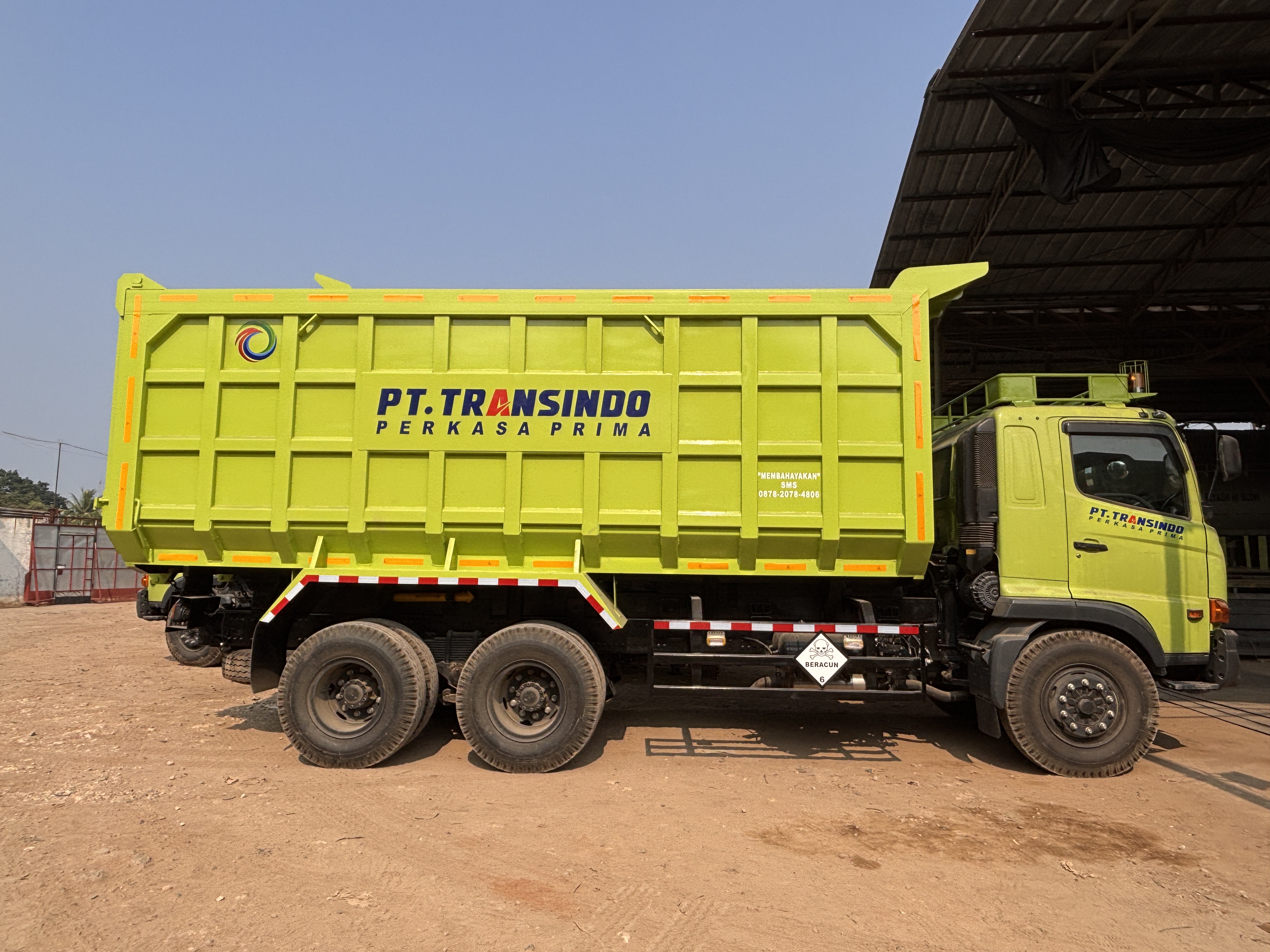
Hydraulics play an important role in dump trucks by providing the force needed to raise and lower the dump body. Understanding the basic operating principles helps operators and fleet teams recognize the functions of the main components and understand why inspections must follow the manufacturer's instructions.
A typical hydraulic lifting system involves a power source, hydraulic pump, hydraulic fluid, control system, and hydraulic cylinder working together to move the lifting mechanism. The actual arrangement and operating sequence vary by truck model and system design, so technical details should always be checked against the documentation for the specific unit.
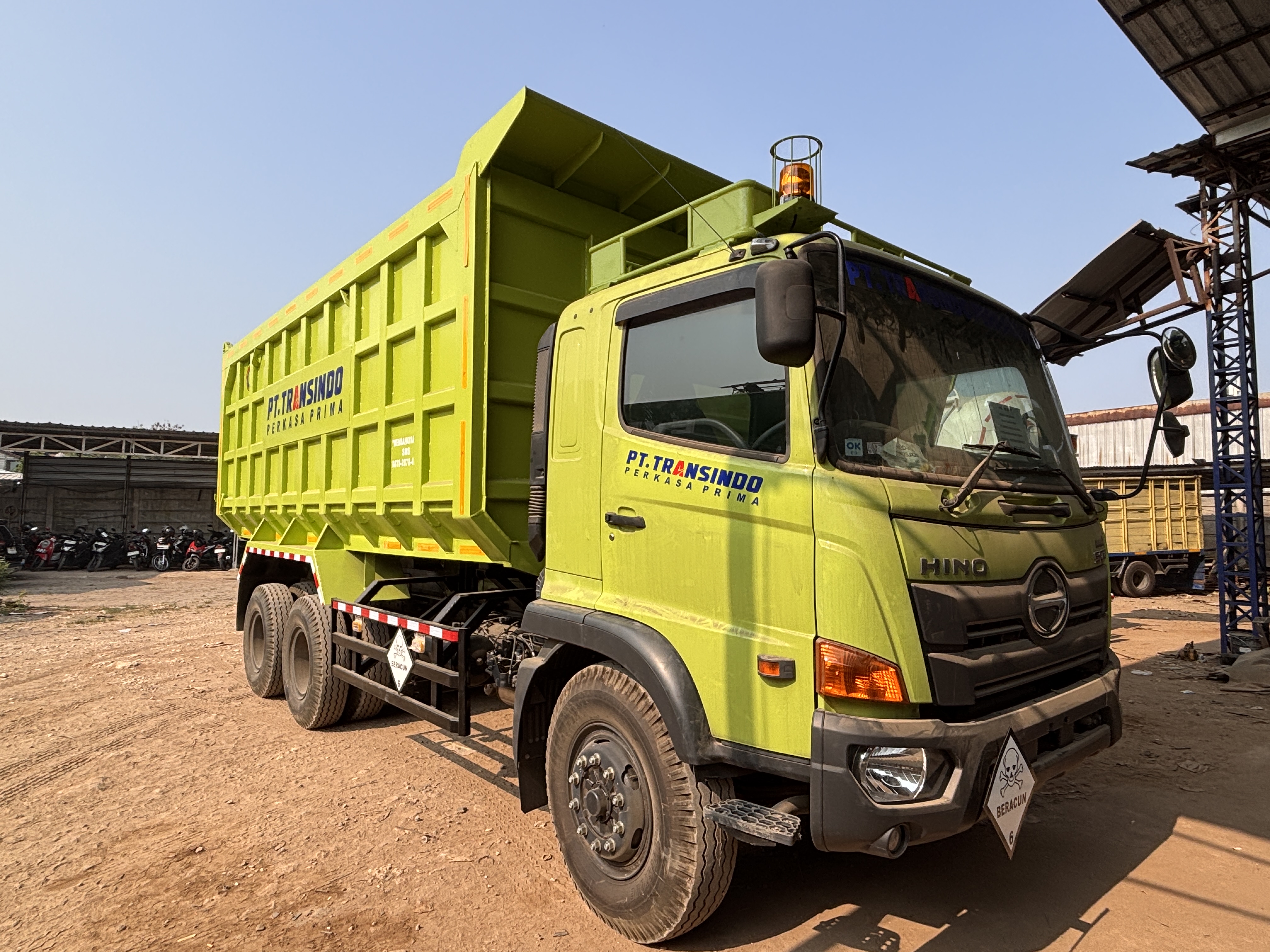
Understanding the Role of Hydraulics in Dump Trucks
Dump trucks transport materials that need to be discharged through a tipping body. In a hydraulically operated dump truck, the hydraulic system provides the force required to raise the body so that the load can be released.
The basic principle involves using pressurized fluid to produce movement in a hydraulic actuator. In a dump truck application, that movement operates the lifting mechanism, allowing the body to move from its transport position toward its unloading position.
The hydraulic system is not a single component. The power source, pump, fluid lines, controls, cylinder, and lifting mechanism must work together according to the system design.
Main Components of a Dump Truck Hydraulic System
Each component performs a different function. The actual arrangement, component types, and specifications depend on the design of the particular truck.
Power source
The power source provides energy to operate the hydraulic system. On a dump truck, the source of power and the method of transferring that power depend on the vehicle configuration and the lifting system designed for the unit.
Hydraulic pump
The hydraulic pump moves fluid through the system to support the lifting process. It must be suitable for the system design and the vehicle's operating requirements. The pump type, flow rate, and operating pressure cannot be specified without the relevant technical information.
Hydraulic fluid and lines
Hydraulic fluid transfers energy through the system. Hydraulic lines connect the relevant components and direct fluid flow according to the system design. Fluid condition, connections, hoses, and visible lines should be inspected in accordance with the applicable maintenance procedures.
Control system
The control system governs the operation of the hydraulic mechanism. Operators must follow the instructions provided for the specific vehicle so that lifting and lowering take place according to the prescribed procedure.
Hydraulic cylinder and lifting mechanism
A hydraulic cylinder converts hydraulic energy into mechanical movement. This movement is transferred through the lifting mechanism to change the position of the dump body. The mechanism's geometry, number of cylinders, and mounting arrangement vary according to the truck design.
How Does a Dump Truck Body Lift?
For a hydraulic system designed to raise a dump body, the general process can be described in several stages.
-
The operator checks that the vehicle and work area meet the applicable safety requirements before operating the system.
-
The power system drives the hydraulic pump according to the vehicle configuration.
-
The pump moves hydraulic fluid through the designated circuit under the control of the system.
-
The fluid actuates the hydraulic cylinder, causing the lifting mechanism to raise the dump body.
-
The body reaches the required position according to the vehicle's operating procedure. The load can then be discharged in accordance with the applicable work instructions.
The actual operating sequence must be taken from the vehicle manual. Different systems may use different controls, safety devices, and component arrangements, so this description explains the basic principle rather than providing operating instructions for every dump truck.
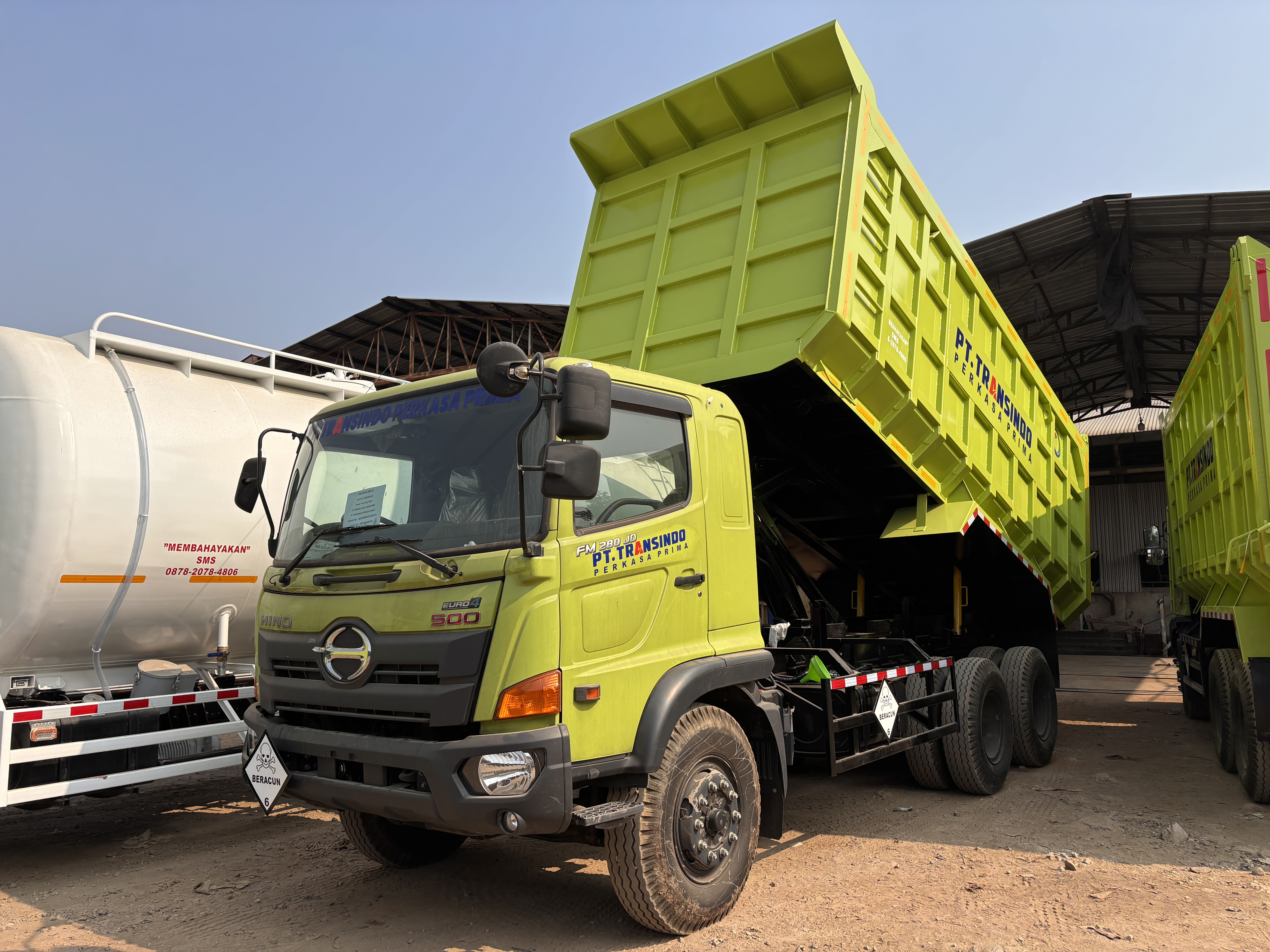
How Is the Dump Body Lowered?
After unloading, the body must return to its transport position through the mechanism designed for the vehicle. In a hydraulic system, lowering involves controlling actuator movement and fluid flow according to the system configuration.
Operators must use the controls as instructed by the manufacturer and ensure the surrounding area is safe. A body should not be considered safe merely because its movement has stopped. If an inspection or repair requires a person to work beneath a raised body, the prescribed safety procedures and mechanical support devices must be used.
Never work beneath a dump body supported only by hydraulic pressure. Hydraulic systems can lose pressure or experience component failure, so the manufacturer's safety requirements must be followed before inspection or repair.
Hydraulic System Inspection and Safety Considerations
Regular inspection can help identify issues that need attention before a truck returns to service. Inspections should be performed by competent personnel in accordance with the vehicle manual, company procedures, and applicable safety requirements.
Inspection considerations may include:
-
Fluid leaks around hoses, connections, cylinders, or other system components.
-
The visible condition of hydraulic hoses and lines.
-
Hydraulic fluid condition and level, using the inspection method specified by the manufacturer.
-
Unusual control responses or abnormal lifting movements.
-
The condition of the lifting mechanism and related components.
-
Maintenance records and follow-up actions for identified issues.
Never use your hand to locate a hydraulic leak. Pressurized fluid can penetrate the skin and cause serious injury. Shut down and secure the equipment according to the prescribed procedure before inspection or repair, and never loosen hydraulic connections while the system remains pressurized.
If the body moves abnormally, a leak appears, unusual noises occur, or the system does not respond as expected, stop operation in accordance with safety procedures and arrange an inspection by competent personnel. Pressure limits, service intervals, fluid specifications, and repair methods must follow the documentation for the particular unit.
Why Dump Truck Design and Configuration Matter
The performance of a lifting system depends on how the components and overall vehicle design work together. The dump body, lifting mechanism, cylinder, hydraulic system, and vehicle configuration should be considered as an integrated system.
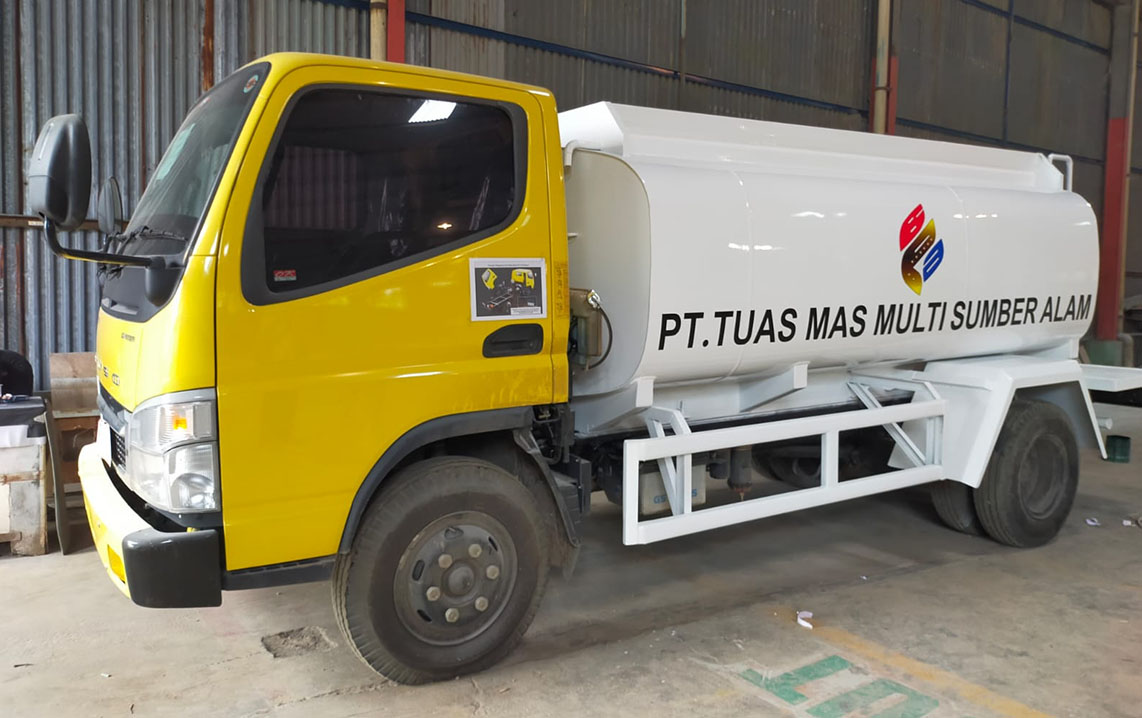
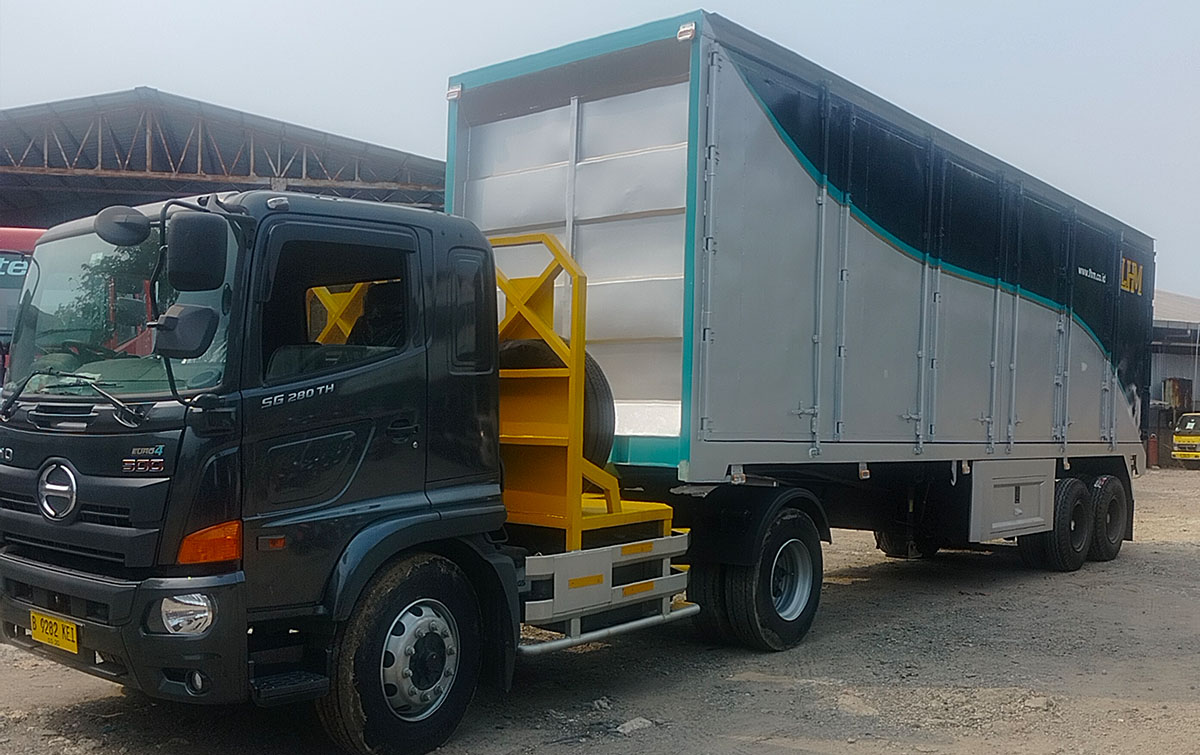
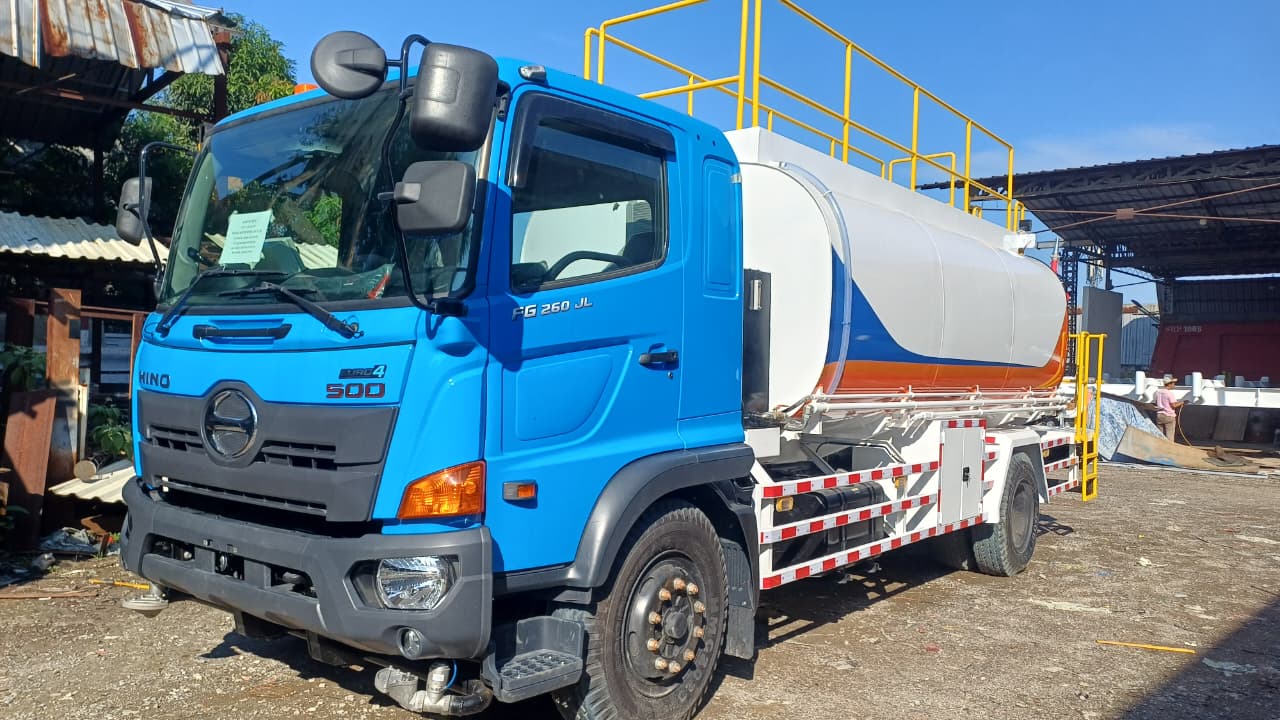
PT Sribaru Indah Sejahtera focuses on vehicle body building, truck bodies, tanker and tank bodies, and engineered transport equipment, with engineering and fabrication as supporting capabilities. For dump truck or truck body requirements, technical discussions should consider the intended application, the characteristics of the transported material, the vehicle configuration, and the relevant technical requirements.
Hydraulic specifications, lifting capacity, operating pressure, cylinder dimensions, and system configuration cannot be generalized without unit-specific information. These details should be validated by the engineering team against the actual design and requirements before being used as technical guidance or published content.
Planning a dump truck or evaluating a dump body lifting system for industrial operations? Visit the official PT Sribaru Indah Sejahtera website to learn more about the company's products and capabilities. For a discussion about vehicle or truck body requirements, prepare the intended application and available technical specifications.
Recent Posts