
What Is Vehicle Body Building and How Does It Support Industrial Vehicles
What Is Vehicle Body Building?
Vehicle body building is the process of designing and manufacturing a vehicle body or structure to suit its intended application. In commercial and industrial vehicles, this process helps configure a vehicle for particular tasks, such as transporting goods, carrying liquid materials, storing bulk materials, or handling liquid waste.
Vehicle body building involves more than the external appearance of a vehicle. It also requires consideration of functionality, dimensions, layout, operational requirements, and compatibility with the selected chassis. The final design depends on the vehicle type, cargo characteristics, and intended use.
Different industries have different vehicle requirements. A vehicle used to transport crude palm oil has a different function from a truck designed to vacuum liquid waste or transport bulk materials. For this reason, selecting a suitable body configuration should begin with a clear understanding of the work the vehicle needs to perform.
What Functions Does an Industrial Vehicle Body Serve?
The main function of a vehicle body is to provide a structure that supports the vehicle's intended application. The chassis forms the vehicle's foundation, while the body is designed to perform a particular operational function within the vehicle's configuration.
Common industrial applications include:
-
Transporting goods, materials, or cargo according to the vehicle's intended purpose.
-
Carrying or storing liquid materials in tanks designed for the relevant application.
-
Supporting the suction, transportation, and disposal of liquid waste through an appropriately configured vehicle.
-
Transporting bulk materials, such as cement, using equipment designed for bulk material storage and transport.
-
Providing specialized vehicle configurations for specific operational requirements.
PT SIS offers a range of industrial vehicle and equipment products, including CPO Tanks, Vacuum Trucks, Water Tanks, HiBlow Tanks, Mixer Tanks, Trailer Trucks, and Silo Storage. Each product serves a different purpose, so selecting the right configuration should be based on operational requirements rather than appearance alone.
What Is the Difference Between a Chassis and a Vehicle Body?
A chassis and a vehicle body serve different functions. Understanding the distinction helps businesses identify their vehicle requirements and discuss the necessary specifications before a project begins.
A chassis is the vehicle's underlying structure, supporting the installation of its various components. It also plays a role in carrying loads within the limits of the vehicle's design and manufacturer specifications. Chassis selection should consider the vehicle type, intended load, and applicable technical requirements.
A vehicle body, meanwhile, is the structure designed to support a specific application. Its shape and configuration vary depending on the intended use, such as a tank for liquid transport or a unit designed to handle bulk materials.
The basic differences are summarized below:
| Aspect | Chassis | Vehicle Body |
|---|---|---|
| Main function | Provides the vehicle's underlying structure | Supports a specific operational application |
| Role | Supports vehicle systems and components according to the design | Carries, stores, or handles cargo according to its intended purpose |
| Configuration | Follows the vehicle type and chassis specifications | Customized for the intended application |
| Examples | Truck chassis | CPO Tank, Water Tank, and Vacuum Truck |
The chassis and body must be evaluated together to ensure compatibility. The final design should consider vehicle capacity, load distribution, dimensions, mounting points, and applicable technical requirements.
What Are Common Industrial Vehicle Body Applications?
Vehicle body applications vary because industries have different requirements for transporting, storing, and handling materials. The appropriate body type depends on the nature of the work and the vehicle's technical specifications.
The following examples illustrate several industrial vehicle and equipment applications:
1. CPO Tank
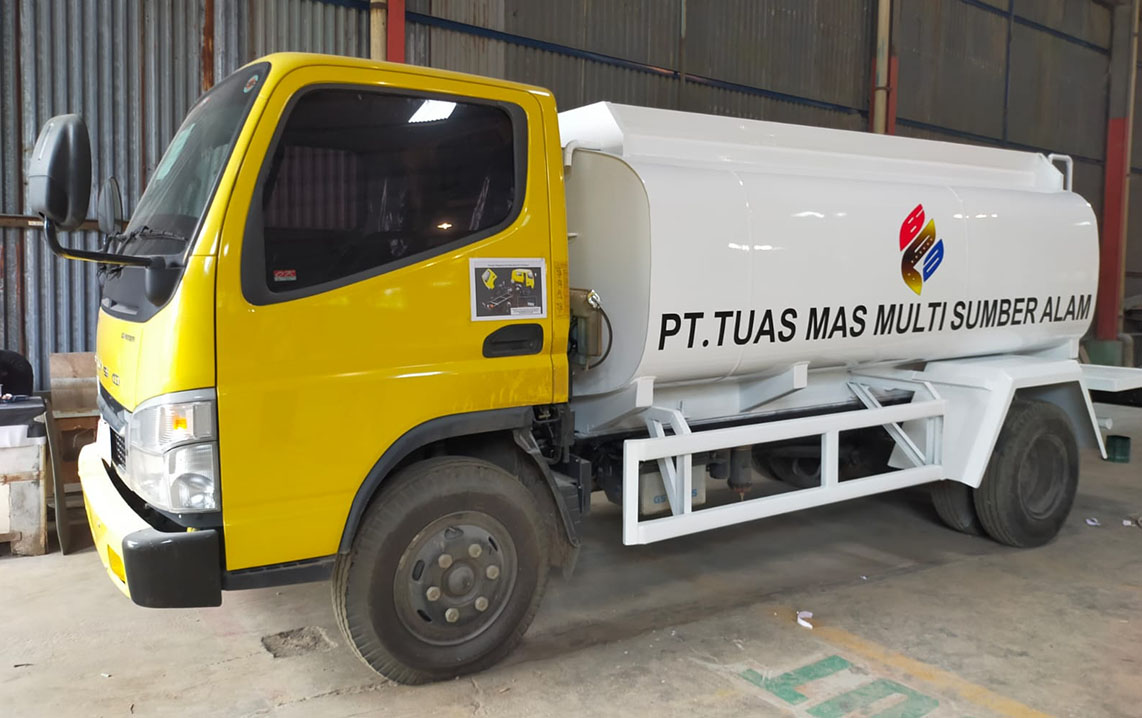
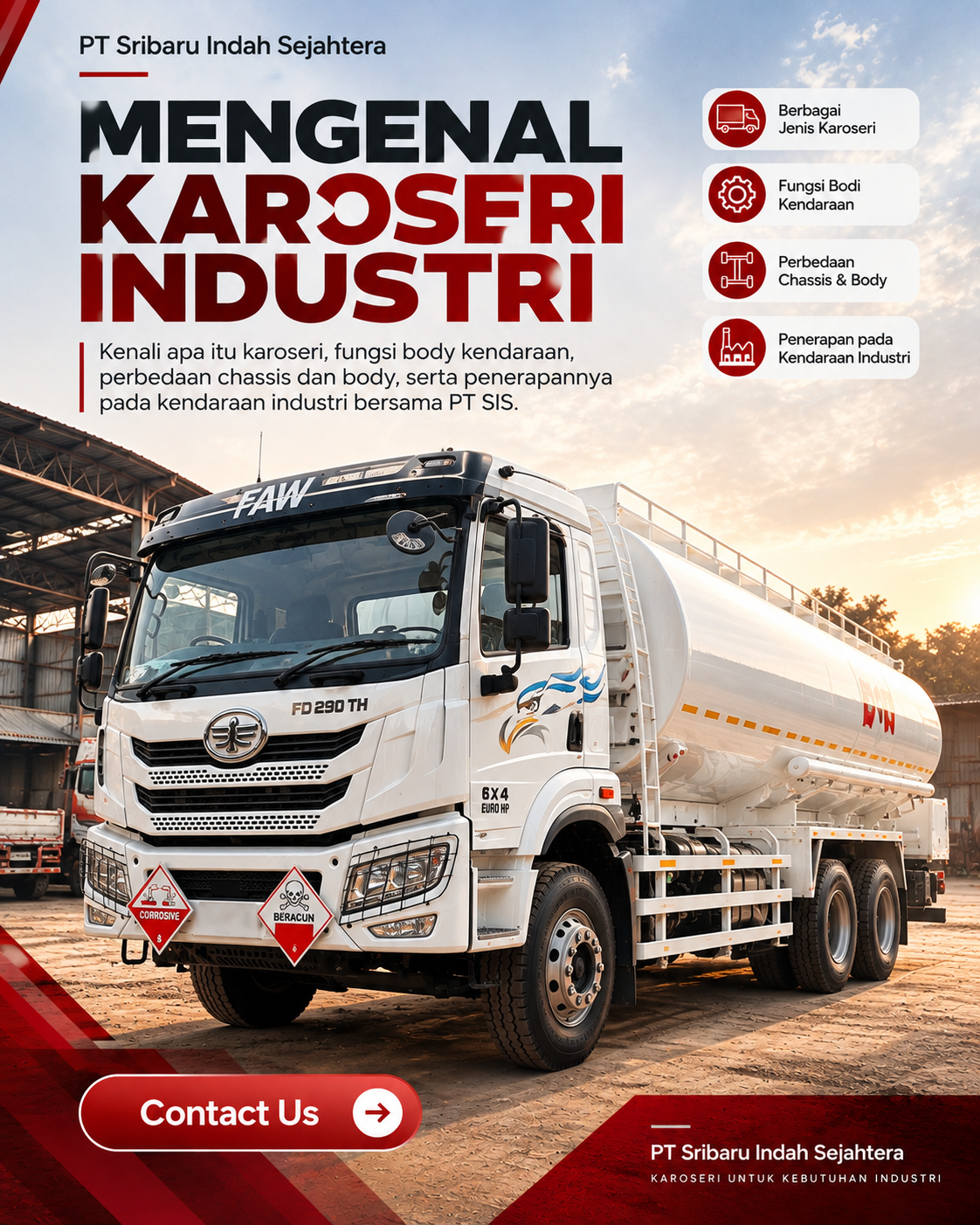
A CPO Tank is used for transporting or storing crude palm oil, depending on the unit's configuration. Its capacity and dimensions can be customized according to project requirements. Readers can explore the PT SIS CPO Tank product page for more information about this application.
2. Vacuum Truck
A Vacuum Truck is designed for the suction, transportation, and disposal of liquid waste. Tank capacity and specifications can be customized according to defined operational requirements.
3. Water Tank
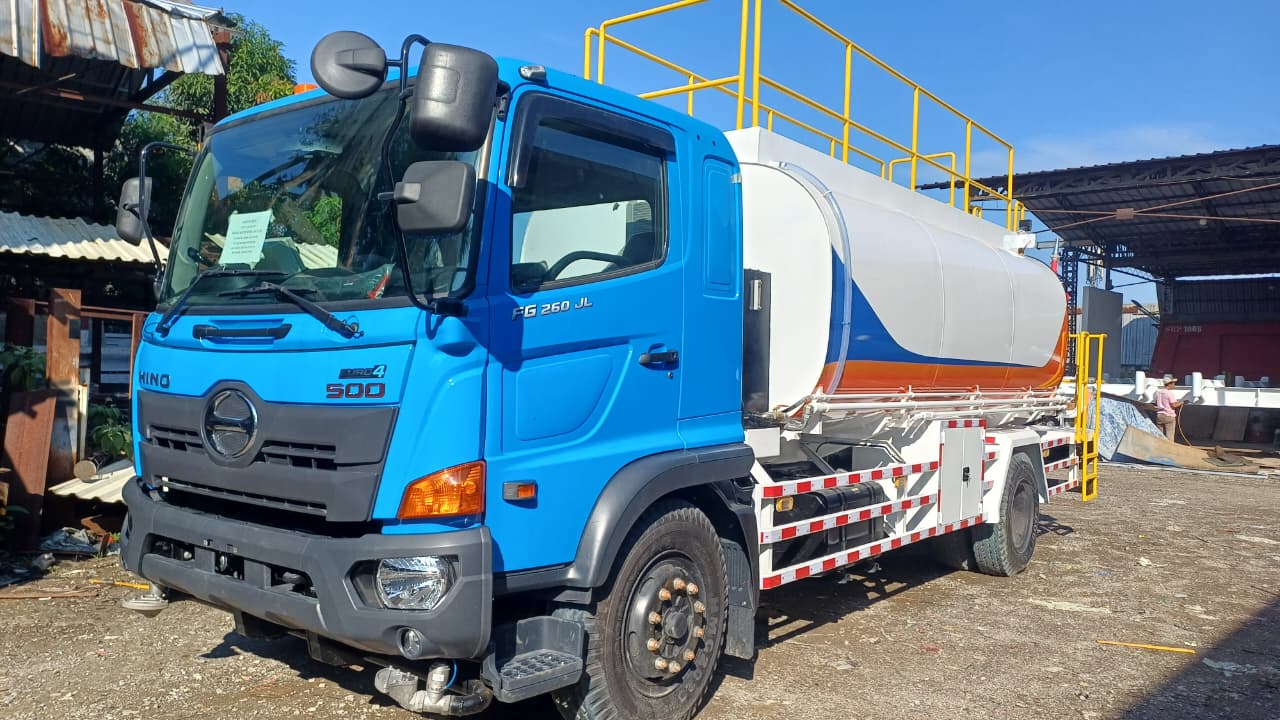
A Water Tank supports water transportation or storage, depending on the unit's configuration. Its capacity and dimensions can be customized according to the user's requirements.
4. HiBlow Tank
A HiBlow Tank is designed for transporting and storing powdered materials, such as cement. Its configuration should suit the material characteristics and intended operating requirements.
5. Mixer Tank
A Mixer Tank is a tank-based industrial equipment configuration in which the tank and agitator design can be customized for the intended application. The configuration should reflect the required mixing function.
6. Trailer Truck and Silo Storage
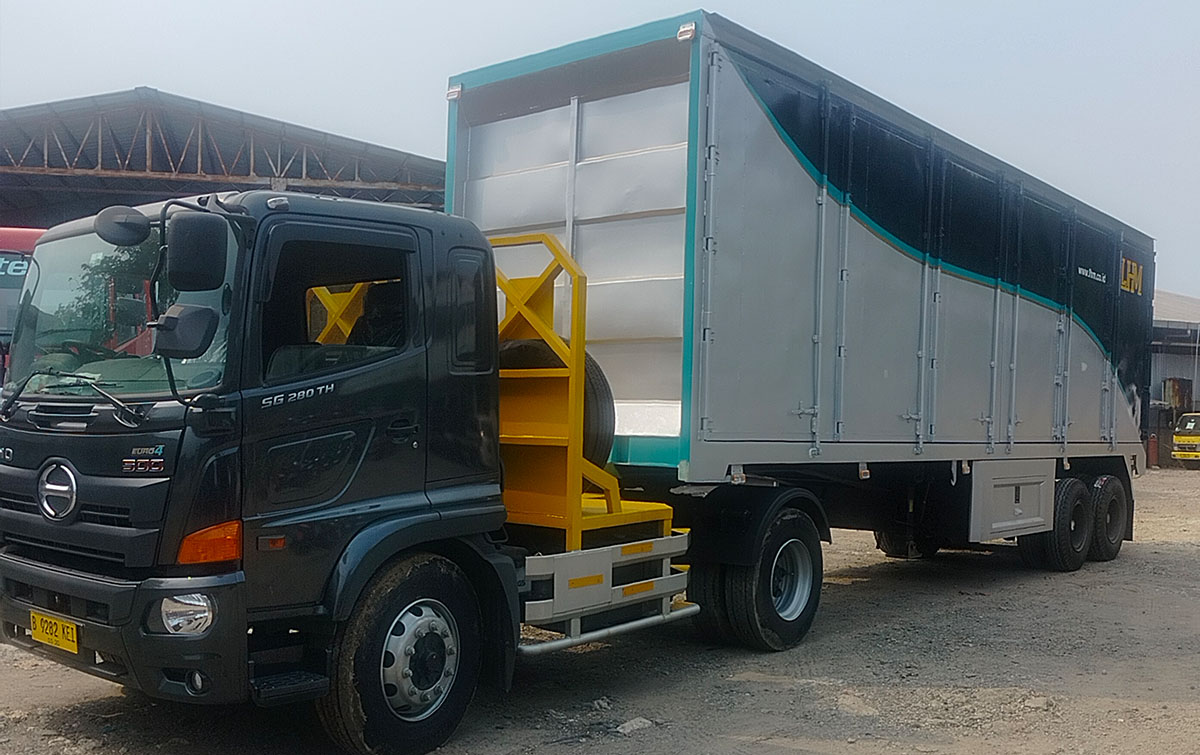
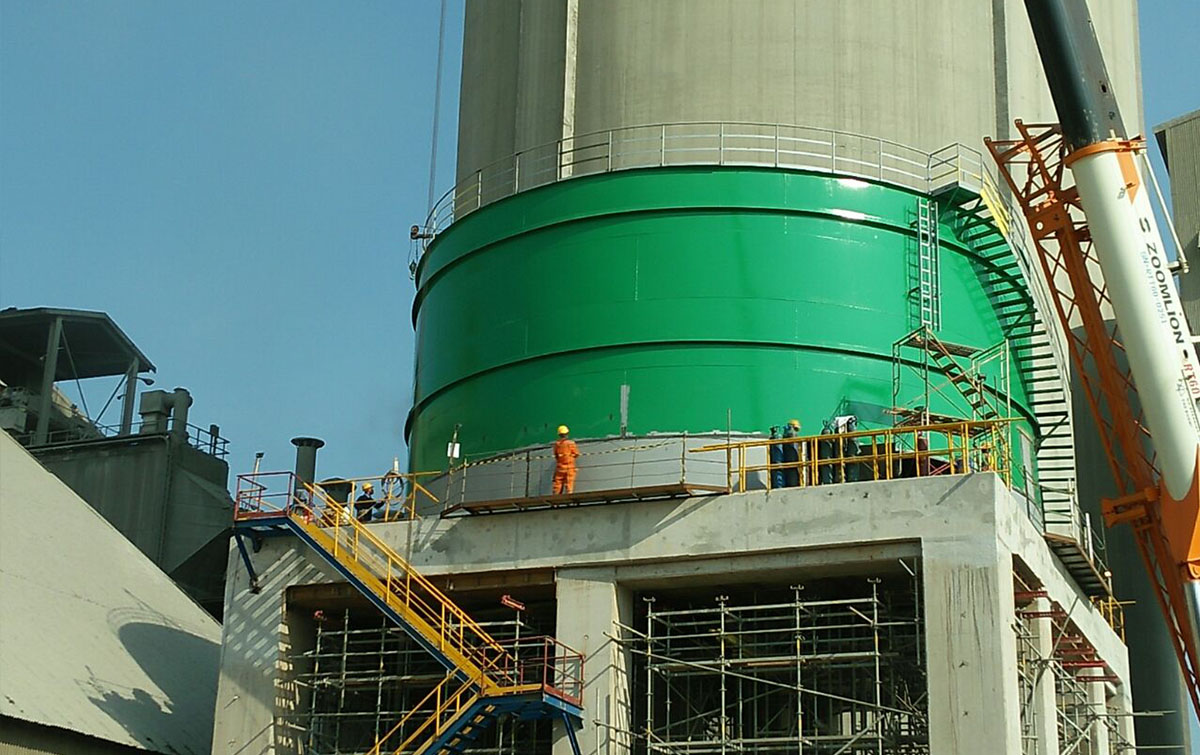
A Trailer Truck can be configured for different transportation requirements, with trailer lengths of up to 45 feet. Silo Storage is designed for storing bulk materials, including cement, sand, plastic pellets, and grains.
These examples demonstrate that vehicle body building is not a one-size-fits-all process. Product selection should be based on the material, function, operating requirements, and technical specifications of each project.
How Do You Determine the Right Vehicle Body Configuration?
Selecting a vehicle body should begin with operational requirements rather than appearance alone. This approach helps businesses define the intended vehicle function before deciding on the technical configuration.
The following steps provide a practical starting point:
-
Identify the vehicle's task. Determine whether it will transport goods, carry liquids, handle waste, or move bulk materials.
-
Define the cargo characteristics. Identify the material type, cargo conditions, and loading, transportation, and unloading requirements.
-
Determine capacity and dimensions. Use operational needs as the starting point, then assess compatibility with the chassis and applicable technical requirements.
-
Evaluate the chassis and body configuration. Consider load distribution, vehicle dimensions, mounting points, and relevant technical requirements.
-
Discuss the project specifications. Share the requirements with a vehicle body builder or fabrication provider so the proposed configuration can be evaluated before manufacturing begins.
Each vehicle type may have different technical requirements. Capacity, dimensions, materials, operating systems, and final configurations should therefore be determined according to project needs and technical evaluation, rather than copied directly from another unit.
Why Choose a Vehicle Body Builder That Understands Industrial Requirements?
Choosing a vehicle body builder affects how operational requirements are translated into a vehicle or equipment design. Businesses should communicate the intended function, cargo type, operating conditions, and required specifications clearly from the beginning of the project.
A company working in engineering and fabrication can support discussions around these requirements through relevant design and manufacturing processes. However, the suitability of a finished unit must still be assessed against its design, specifications, and applicable technical requirements.
PT Sribaru Indah Sejahtera (PT SIS) operates in engineered transport equipment, steel construction, and fabrication. Its product portfolio covers a range of industrial vehicle and equipment applications, including CPO Tanks, Vacuum Trucks, Water Tanks, HiBlow Tanks, Mixer Tanks, Trailer Trucks, and Silo Storage.
For products that support customization, capacity and dimensions can be adjusted according to project requirements. Actual specifications should be discussed based on the intended application and project scope. This allows prospective customers to begin with their operational needs before moving into a more detailed technical discussion.
Planning an industrial vehicle or looking for a body configuration that matches your company's operational requirements?
Discuss your project, vehicle type, capacity, dimensions, and required configuration with PT Sribaru Indah Sejahtera (PT SIS).
Click to WhatsApp: 0823-1262-3763
Recent Posts